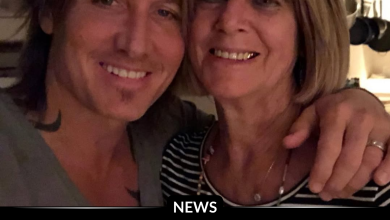
Jim Carrey Reveals What He Wished He’d Told Late Ex-Girlfriend Before She Died
OPINION: This article may contain commentary which reflects the author's opinion.
Jim Carrey has spent decades making the world laugh with his elastic expressions and fearless comedic energy in films like Ace Ventura, The Mask, and Liar Liar. But behind the humor lies a man of extraordinary depth. In recent reflections on the death of his ex-girlfriend, Cathriona White, Carrey revealed what he wished he had told her before she died—an admission that opens a window into his vulnerability, empathy, and resilience.
Vulnerability: Facing Regret With Honesty
The headline alone—“Jim Carrey Reveals What He Wished He’d Told Late Ex-Girlfriend Before She Died”—signals a moment of raw human reflection. For Carrey, the silence of unspoken words has become a lasting regret. Unlike many public figures who shield their pain behind polished images, Carrey has chosen authenticity, confronting his sorrow openly.
This isn’t new for the actor. He has spoken candidly about his battles with depression, fame, and the search for meaning, often rejecting Hollywood’s fixation on superficiality. By admitting that there were words left unsaid—whether love, reassurance, or compassion—Carrey models the courage of vulnerability. His honesty reminds others of the importance of speaking from the heart before it’s too late.
Empathy: Honoring Love and Loss
Carrey’s empathy has long been visible in how he handled White’s tragic death in 2015, which was ruled a suicide. In a statement at the time, he remembered her not as a headline but as a “truly kind and delicate Irish flower, too sensitive for this soil, to whom loving and being loved was all that sparkled.” He also served as a pallbearer at her funeral, a gesture of both love and solidarity with her family.
His recent reflections only deepen that empathy. His regret seems rooted not in self-pity but in a selfless concern for White’s pain—an acknowledgment that words left unspoken may have mattered. Beyond his personal grief, Carrey has channeled this compassion into a broader advocacy for mental health, urging others to seek support and helping to destigmatize emotional vulnerability.
Resilience: Rising Through Adversity
The years after White’s death tested Carrey’s strength. He faced wrongful death lawsuits from her family, who accused him of providing drugs and contributing to her emotional distress. Carrey countersued, calling the allegations unfounded, and by 2018, the lawsuits were dismissed after evidence of forged medical records came to light.
Through it all, he did not retreat into bitterness. Instead, Carrey turned to painting, writing, and exploring spirituality—creative outlets that helped him process pain while continuing to share his art with the world. His decision to speak publicly about regrets shows resilience not as denial, but as the ability to confront suffering directly and transform it into strength.
A Legacy Beyond Comedy
Jim Carrey will forever be remembered as a comedic icon, but his legacy now extends far beyond laughter. By revealing what he wished he had told Cathriona White, Carrey invites audiences to reflect on their own relationships and the fragility of human connection. His story is a reminder that regret is universal, but so too is the opportunity for growth, empathy, and resilience.
In a world where celebrity often means concealing flaws, Carrey’s willingness to share his imperfections stands out as a profound act of nobility. His revelations are less about sorrow and more about the wisdom that emerges from it: speak your truths, cherish your loved ones, and never underestimate the power of words left unsaid.
Would you like me to frame this piece for a mainstream entertainment outlet (sharper, with a stronger focus on the emotional headline) or as a long-form feature (more reflective, like a profile in Vanity Fair or The Atlantic)?