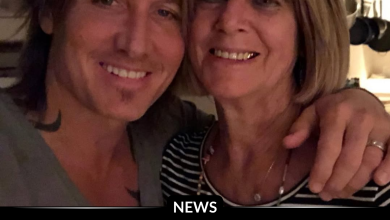
Mark Wahlberg Opens Up About His Biggest Regret With His Mother—And His Words Hit Hard
OPINION: This article may contain commentary which reflects the author's opinion.
Mark Wahlberg has built a career defined by grit, transformation, and box-office success. From his early days as a rapper with Marky Mark and the Funky Bunch to acclaimed roles in The Departed, The Fighter, and Father Stu, he has carved out a reputation as one of Hollywood’s most bankable stars. Yet beneath the accolades lies a man deeply shaped by family, particularly his late mother, Alma Wahlberg, whose passing in April 2021 at the age of 78 remains one of his most profound personal losses.
In recent interviews, Wahlberg revealed the regret that continues to weigh on him: wishing he had told his mother more often just how much he loved and appreciated her. His candid reflections struck a chord with fans, who saw in his words not just grief, but humility, gratitude, and a reminder of the fleeting nature of life.
A Mother’s Sacrifices
Alma Wahlberg, who raised nine children in a modest three-bedroom apartment in Boston’s Dorchester neighborhood, was the bedrock of the Wahlberg family. Resourceful and resilient, she found creative ways to provide for her children—relying on welfare cheese, butter, and what the family fondly recalls as “English muffin pizzas” to make ends meet.
Her dedication left an indelible mark on Mark. He often credits Alma’s strength and sacrifices for shaping him into the man he became. “She was proud to see us all become productive, family-oriented people,” he once said. Until her passing, Wahlberg made a ritual of calling her every morning, a connection he described as “heartbreaking” to lose. That daily exchange, he admits, is what he misses most.
Regret and Humility
Wahlberg’s reflections reveal a man unafraid to admit shortcomings. On NBC’s Today show, he shared that he still listens to his mother’s voicemails “quite often” to keep her memory alive. His advice to others was simple but powerful: “Call [your parents] every day, tell them how much you love them, and be there and connect with them as much as possible.”
Despite fame, fortune, and critical acclaim, Wahlberg’s regret underscores his humility. He has long been candid about his troubled youth, which included violent run-ins with the law, and his efforts at redemption—apologizing to past victims and creating the Mark Wahlberg Youth Foundation to support at-risk kids. That honesty and willingness to grow, rooted in lessons learned from Alma, have become hallmarks of his public image.
Resilience Through Grief
Losing his mother while filming Father Stu—a film centered on faith, perseverance, and redemption—was particularly poignant. Wahlberg has said that her resilience, even as she battled dementia, continues to inspire him. The family, led in part by his sister Tracey, who was Alma’s primary caregiver, leaned on each other during her illness, modeling the strength Alma herself had always shown.
For Wahlberg, grief became a catalyst for purpose. By pouring himself into roles that spotlight faith and perseverance, he honors his mother’s legacy. “She was an amazing person,” he said. “She taught us how to get through anything.”
Faith and Family at the Center
Wahlberg’s Catholic faith—what he calls “the most important part” of his life—remains a guiding force. From using the Hallow Christian prayer app to publicly apologizing for roles that conflicted with his beliefs, he has strived to align his career with his values. He has also emphasized the importance of his wife, Rhea Durham, and their four children, describing them as his ultimate priority.
Even in grief, his humor and warmth persist. Wahlberg once joked in 2024 about trying to set his mother up with George Clooney, a playful reminder of the family’s closeness and the joy Alma brought into their lives.
A Legacy of Love
Mark Wahlberg’s reflections on his mother are more than personal grief—they are a public meditation on what matters most. In Alma’s sacrifices, he sees resilience; in his regret, humility; and in her memory, a reminder to live with gratitude.
By sharing his vulnerability, Wahlberg has reminded fans that true success isn’t measured by awards or box-office numbers, but by the love we give and the connections we nurture. His words hit hard because they are universal: tell your loved ones what they mean to you, while you still can.
Would you like me to frame this piece more as a tribute to Alma Wahlberg’s legacy (making her the central figure) or as a personal redemption story for Mark (emphasizing how his regret shaped his growth)?